RESOURCES
On this page:
Health & Medical Information + Environmental Impact + Community & Support + Practical Guides + Scientific Research & Studies + Professional Resources + Frequently Asked Questions
Getting Started with Sustainable Period Products
Your First Steps
Transitioning to sustainable menstrual products can feel overwhelming, but it doesn’t have to be. Start by exploring your options, understanding your flow, and choosing products that fit your lifestyle and comfort level. The resources on this page will help you do just that.
Understanding Your Options
| Menstrual Cups | Reusable silicone cups that collect rather than absorb menstrual fluid. Can last up to 10 years with proper care. | 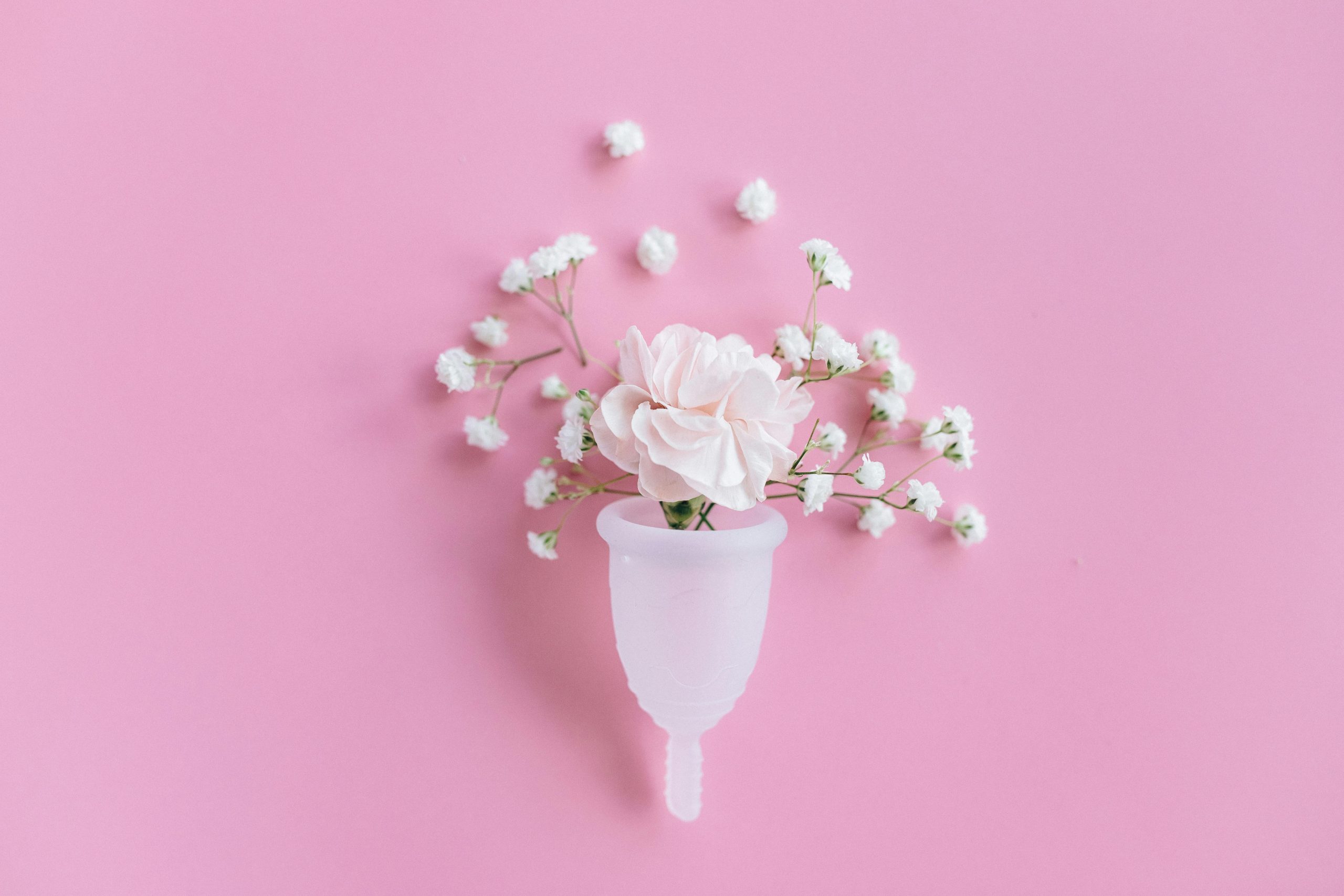 |
| Period Underwear | Specially designed absorbent underwear that can be worn alone or as backup protection. Machine washable and can last 2-3 years. | 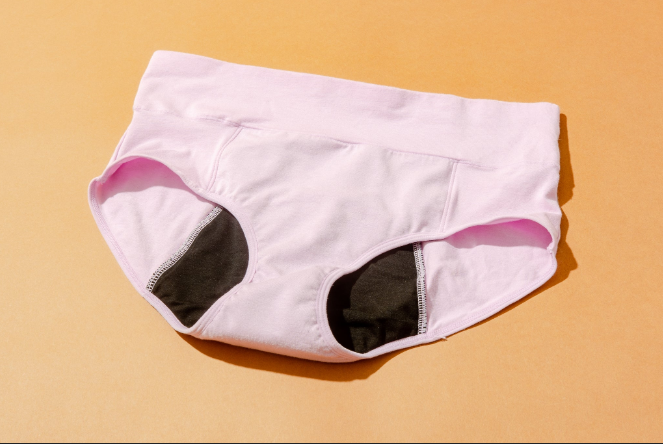 |
| Reusable Pads | Cloth pads with absorbent layers and waterproof backing. Snap or stick in place like disposable pads. | 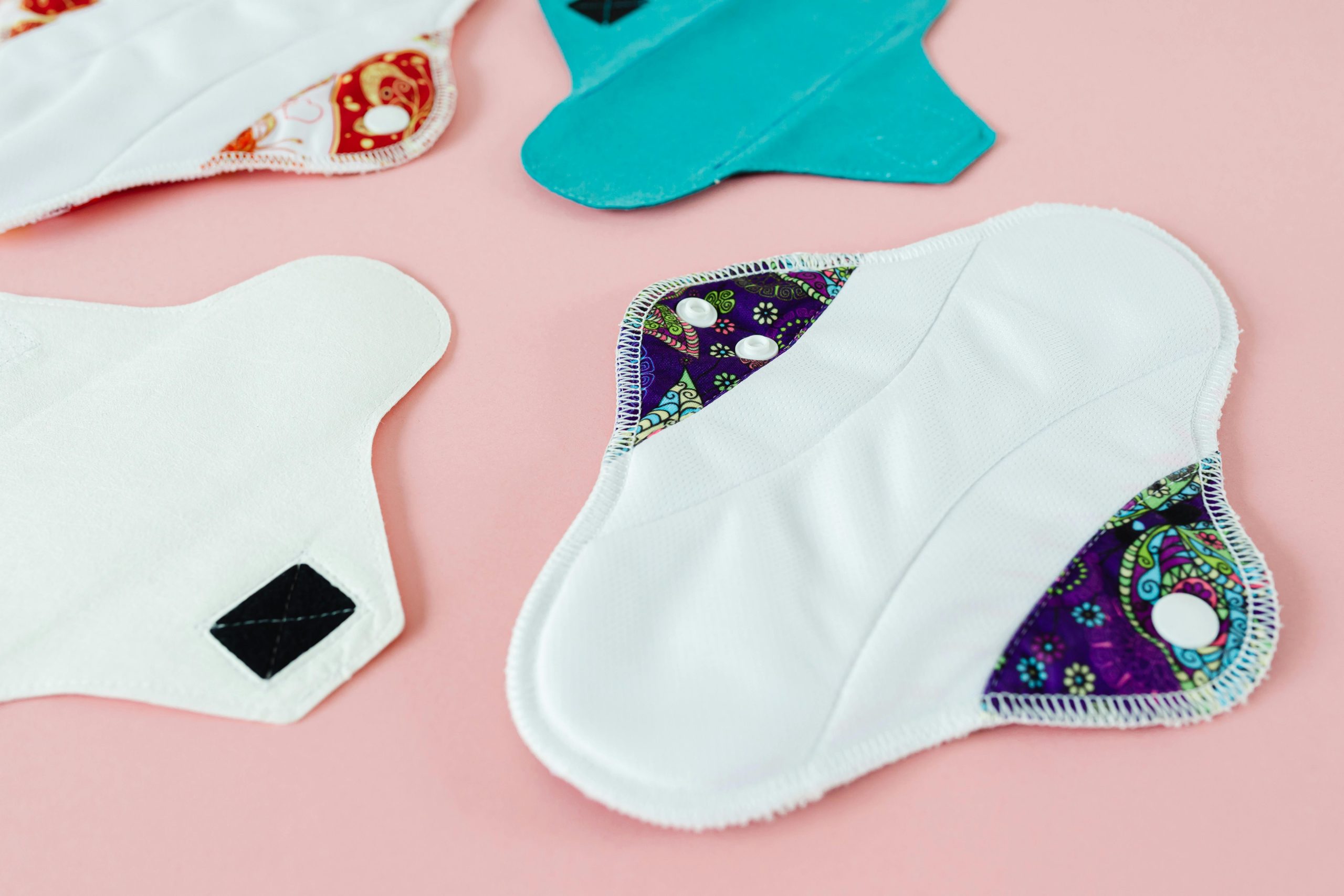 |
| Menstrual Discs | Flexible discs that sit in the vaginal fornix. Available in both reusable and disposable versions. | 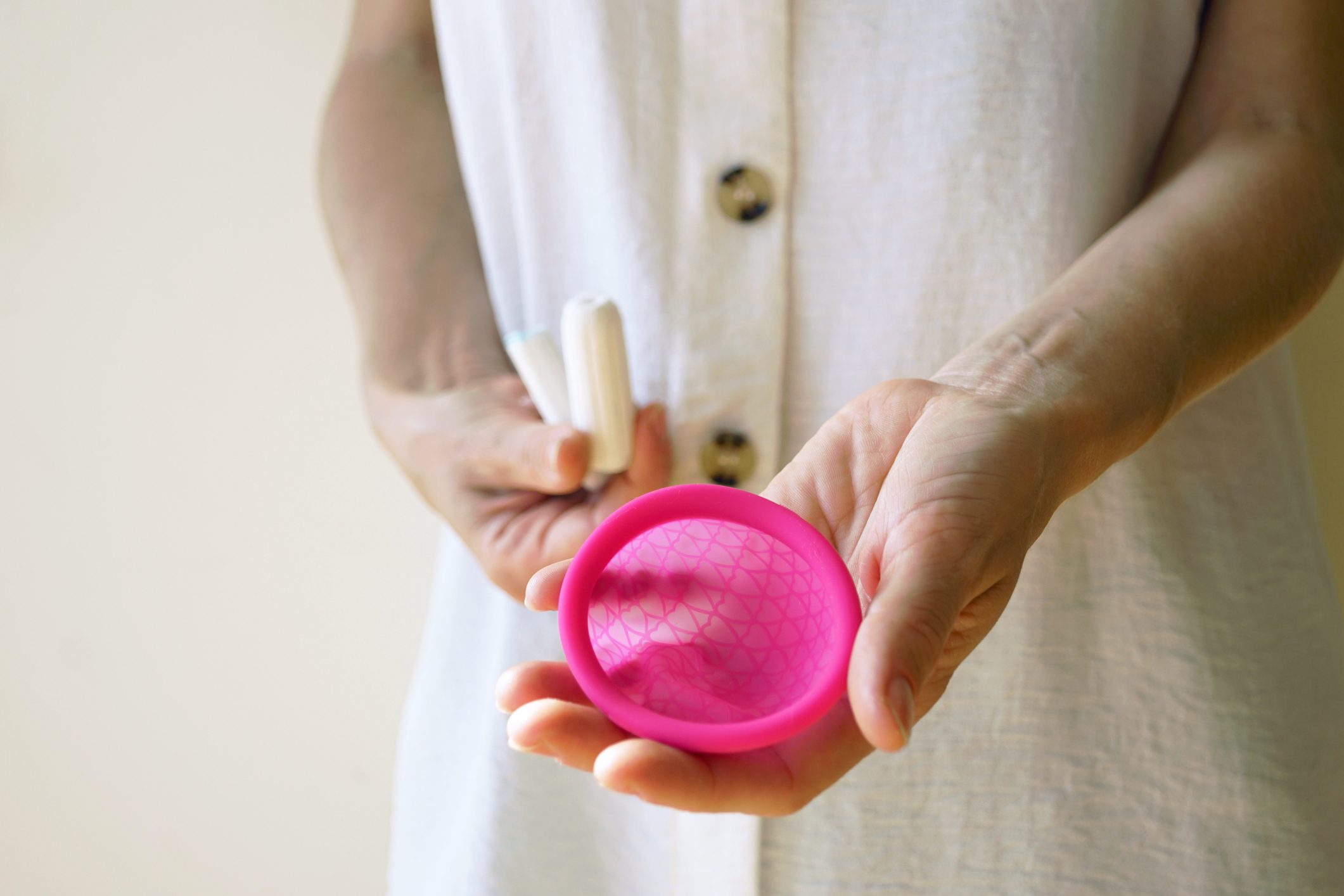 |
Health and Medical Information
When to Consult a Healthcare Provider
- If you experience severe pain or unusually heavy bleeding
- Before using internal products if you have certain medical conditions
- If you have concerns about infections or allergic reactions
- For personalized advice about which products might work best for you
Common Concerns Addressed
| Toxic Shock Syndrome (TSS) | Allergies and Sensitivities | Capacity and Flow |
| While rare, it’s important to understand the signs and prevention methods for any internal menstrual product. | Information about materials used in sustainable products and how to identify potential irritants. | Understanding how different products work with light, medium, and heavy flows. |
Environmental Impact
The Numbers
- The average person who menstruates uses over 11,000 tampons and pads in their lifetime
- Most conventional products contain plastic and take 500-800 years to decompose
- One menstrual cup can replace thousands of disposable products
Calculating Your Impact
| Calculating Your Impact | Disposal Guidelines |
| Use our impact calculator to see how much waste, money, and resources you could save by switching to reusable products. | Even when using sustainable products, proper disposal of any waste materials helps minimize environmental impact. Learn about composting organic materials and recycling packaging. |
Making the Switch
Timeline Expectations
How long it typically takes to adjust to new products
First Cycle (Days 1-7)
What to expect: Learning curve with insertion, removal, and positioning. Some discomfort or awareness of the product is normal. You may need to empty/change more frequently until you understand your flow patterns.
Cycles 2-3 (Weeks 2-6)
Improvement phase: Insertion and removal become easier. You’ll develop muscle memory and find your preferred techniques. Comfort levels increase significantly, and you’ll better predict when to change products.
Cycles 4-6 (Months 2-3)
Confidence building: Most people feel completely comfortable and confident by this point. You’ll have established routines and know exactly how the products work with your unique body and flow.
Full Adjustment (3-6 months)
Complete adaptation: Products feel like second nature. Many users report forgetting they’re even on their period. You’ll have optimised your routine and may wonder why you waited so long to switch.
Remember: Everyone’s timeline is different. Some people adjust within one cycle, while others may take 6 months. Don’t give up if the first few attempts aren’t perfect – persistence pays off with sustainable comfort and confidence.
Product Lifespan
When to replace your sustainable products
Menstrual Cups
Expected lifespan: 5-10 years with proper care
Replace when: Silicone becomes sticky, develops tears, strong odors that won’t wash out, or changes color significantly. If you experience irritation after years of comfortable use, it may be time for replacement.
Period Underwear
Expected lifespan: 2-3 years with regular use
Replace when: Absorbent layers become less effective, elastic loses stretch, fabric develops holes, or persistent odors remain after washing. Fading is normal and doesn’t affect function.
Reusable Cloth Pads
Expected lifespan: 3-5 years with proper care
Replace when: Absorbency decreases noticeably, snaps become loose or break, waterproof backing starts peeling, or fabric becomes thin and worn. Staining is normal and doesn’t require replacement.
Menstrual Discs (Reusable)
Expected lifespan: 1-2 years typically
Replace when: Rim becomes too flexible or rigid, material shows wear or tears, or if you experience fit issues that develop over time.
Pro tip: Many sustainable products last longer than their stated lifespan with excellent care. Replace based on performance and comfort, not just age. Keep receipts – some manufacturers offer warranties or replacement discounts.
Find Out More
| Essential Reading | Blogs and Websites |
| “Period.” by Natalie Byrnes – A comprehensive guide to menstrual health and sustainable options “The Period Book” by Karen Gravelle – Great for teens and first-time users NHS Period Information – Reliable medical information about menstrual health | Put A Cup In It – Comprehensive menstrual cup reviews and advice Precious Stars Pads – YouTube channel with honest product reviews Red Tent Sisters – Community-focused menstrual education |
Check out our extensive Frequently Asked Questions
Community and Support
| Look up Online Communities | Look for Local Resources | Find Advocacy Organisations |
| Facebook Groups – Connect with others using sustainable period products Reddit Communities – Anonymous advice and product discussions Discord Servers – Real-time chat with experienced users | Period Poverty Charities – Organizations working to make period products accessible to everyone School Programs – Educational initiatives in your area Healthcare Clinics – Local providers who support sustainable menstrual health | Bloody Good Period – UK charity fighting period poverty The Cup Effect – Promoting menstrual cups globally Period Positive – Education and advocacy for menstrual equity |
Practical Guides
Essential care and maintenance guidance to maximize product lifespan and ensure optimal hygiene
Cleaning Your Products
▼Proper cleaning extends product lifespan and maintains hygiene. Follow these step-by-step guides for each product type:
Menstrual Cups
- During your period: Rinse with cold water immediately after removal, then wash with mild, unscented soap and warm water
- Between periods: Sterilize by boiling in water for 5-7 minutes (use a dedicated pan or place cup in a whisk to prevent touching the bottom)
- Stain removal: Soak in diluted hydrogen peroxide or leave in sunlight for natural bleaching
- Air holes: Clean tiny holes at the rim using a soft toothbrush or push water through from inside
- Avoid: Harsh chemicals, antibacterial soaps, tea tree oil, or dishwashers
Period Underwear
- Rinse first: Rinse in cold water until water runs clear (prevents staining and odors)
- Machine wash: Wash on cold/warm cycle with regular detergent
- Drying: Air dry flat or hang (heat can damage waterproof layers and elastic)
- Avoid: Fabric softener (reduces absorbency), bleach, tumble drying on high heat
- Frequency: Wash after each use, don’t let sit wet for more than 24 hours
Reusable Cloth Pads
- Pre-rinse: Rinse in cold water immediately or soak in cold water until wash day
- Pre-wash soak: Optional overnight soak with a splash of white vinegar or baking soda
- Machine wash: Wash on hot cycle (60°C) with regular detergent
- Drying: Line dry in sunlight (natural disinfectant) or tumble dry on low
- Avoid: Fabric softeners (reduce absorbency), harsh bleach
Menstrual Discs (Reusable)
- Daily cleaning: Wash with mild soap and warm water, rinse thoroughly
- Monthly sterilization: Boil for 5-7 minutes or use sterilizing solution
- Rim care: Pay special attention to the rim where bacteria can accumulate
- Check for damage: Inspect for tears or degradation after cleaning
Storage Solutions
▼Proper storage keeps products hygienic, extends lifespan, and prevents damage or odors:
Menstrual Cups & Discs
Best: Original cotton bag or breathable pouch
Location: Dry, cool place away from direct sunlight
Avoid: Airtight containers (can trap moisture), plastic bags, hot areas
Period Underwear
Best: Folded in regular underwear drawer
Important: Completely dry before storing
Avoid: Damp storage (causes mildew), compression that damages absorbent layers
Cloth Pads
Best: Stacked or rolled in drawer, basket, or shelf
Organization: Sort by size/absorbency for easy selection
Avoid: Storing damp, near heat sources
Used Products (Before Washing)
Best: Wet bag or waterproof pouch
Features: Look for zippered, washable, odor-resistant designs
Limit: Don’t store wet for more than 24 hours
Storage Tips by Location
- At home: Designate a drawer or basket in bathroom or bedroom; keep cleaning supplies nearby
- At work: Small pouch in desk drawer or bag with 1-2 backup products
- In your bag: Compact wet bag for used items, small pouch for clean backups
- Long-term: If storing for months, ensure products are completely clean and dry
Travel Tips
▼Managing periods sustainably while traveling requires planning but offers significant advantages over disposables:
Essential Travel Kit
- Your preferred menstrual product(s) plus one backup
- Small bottle of mild, unscented soap
- Wet bag or waterproof pouch for used items
- Period wipes or small pack of tissues
- Small water bottle (for rinsing cups in restrooms)
- Hand sanitizer
- Pain relief medication if needed
- Period tracking app or calendar
By Travel Type
Air Travel:
- Cups and reusables are TSA-approved; keep in carry-on
- Pack soap in liquids bag (under 100ml) or use solid soap bar
- Change/empty before flight if period is heavy
- Airplane toilets have sinks – cups can be managed discreetly
Camping/Outdoor Adventures:
- Cups ideal for limited water access (less frequent changes needed)
- Bring extra wet bags for used cloth products
- Biodegradable soap for outdoor washing
- Dispose of menstrual blood at least 200 feet from water sources
- Pack out all products (including used toilet paper)
International Travel:
- Sustainable products mean no hunting for familiar brands abroad
- Check if accommodation has laundry facilities for cloth products
- Learn key phrases: “bathroom,” “hot water,” “soap” in local language
- Cup sterilization: use electric kettle in hotel room or microwave steaming bags
Beach/Pool Holidays:
- Cups and discs perfect for swimming (unlike pads)
- Rinse with bottled water if tap water quality is questionable
- Extra period underwear as backup for post-swim changing
- Dark-colored swimwear provides peace of mind
Managing Without Ideal Facilities
- No sink in stall: Use period wipes, empty cup/change product, wash at shared sink after, or bring small water bottle to rinse
- Limited privacy: Period underwear requires no insertion/removal in restrooms; cups can be emptied and reinserted without rinsing
- No hot water: Cold water works fine for daily cleaning; save sterilization for when you have access
- Hostels/shared spaces: Wet bags conceal products; wash cloth items with regular laundry
Time Zone & Schedule Changes
- Your period may arrive early/late due to travel stress and time changes
- Track your cycle but pack products a few days early “just in case”
- Long flights: empty cup/change products before boarding for comfort
- Jet lag can intensify period symptoms – plan rest time accordingly
Scientific Research and Studies
Environmental Impact Studies:
Research on waste reduction and sustainability
- 2024 WHO/PMC study – Authoritative source showing 12 billion disposable products contribute 245,000 tonnes of waste annually Environmental impact of menstrual hygiene products – PMC
- 2024 Frontiers study – Recent comparative research on sustainable alternatives
- 2024 Nature study – Peer-reviewed validation of sustainability concerns
Health Outcome Studies:
Comparing health effects of different product types
- 2023 Frontiers study – Current comprehensive safety assessment including TSS risk factors Frontiers | The safety assessment of tampons: illustration of a comprehensive approach for four different products
- 2022 PMC clinical trial – Direct clinical testing of menstrual cup safety parameters Safety assessment scheme for menstrual cups and application for the evaluation of a menstrual cup comprised of medical grade silicone – PMC
- 2019 Lancet review – Landmark systematic review finding menstrual cups showed similar or lower leakage than disposables PubMed Central The Lancet
User Satisfaction Surveys:
Real-world experiences with sustainable products
- 2024 Australian study – Recent real-world functionality research among young people Menstrual cup acceptability and functionality in real‐world use: A cross‐sectional survey of young people in Australia – Hennegan – 2025 – Australian and New Zealand Journal of Obstetrics and Gynaecology – Wiley Online Library
- 2022 longitudinal study – Shows satisfaction scores improving dramatically from 5.4 to 12.6 over three cycles Study of Adaptability and Efficacy of Menstrual Cups in Managing Menstrual Health and Hygiene: A Descriptive Longitudinal Study – PMC
- 2022 qualitative study – Explores user experiences in developing countries context Is menstrual cup a sustainable and safe alternative in menstrual hygiene management? A qualitative exploratory study based on user’s experience in India – ScienceDirect
Professional Resources
| Healthcare Providers | Educators | Employers |
| Information for medical professionals about sustainable menstrual products and patient counselling. | Resources for teachers, school nurses, and youth workers discussing periods and sustainability. | Guidance for creating period-friendly and environmentally conscious workplace policies. |
This page is regularly updated with the latest information and resources. If you have suggestions for additional resources or spot any outdated information, please contact us.
Disclaimer: This information is for educational purposes only and should not replace professional medical advice. Always consult with a healthcare provider for personalized guidance about menstrual health.