RESOURCES

On this page:

Health & Medical Information + Environmental Impact + Community & Support + Practical Guides + Scientific Research & Studies + Professional Resources + Frequently Asked Questions

Getting Started with Sustainable Period Products

Your First Steps

Transitioning to sustainable menstrual products can feel overwhelming, but it doesn’t have to be. Start by exploring your options, understanding your flow, and choosing products that fit your lifestyle and comfort level. The resources on this page will help you do just that.

Understanding Your Options

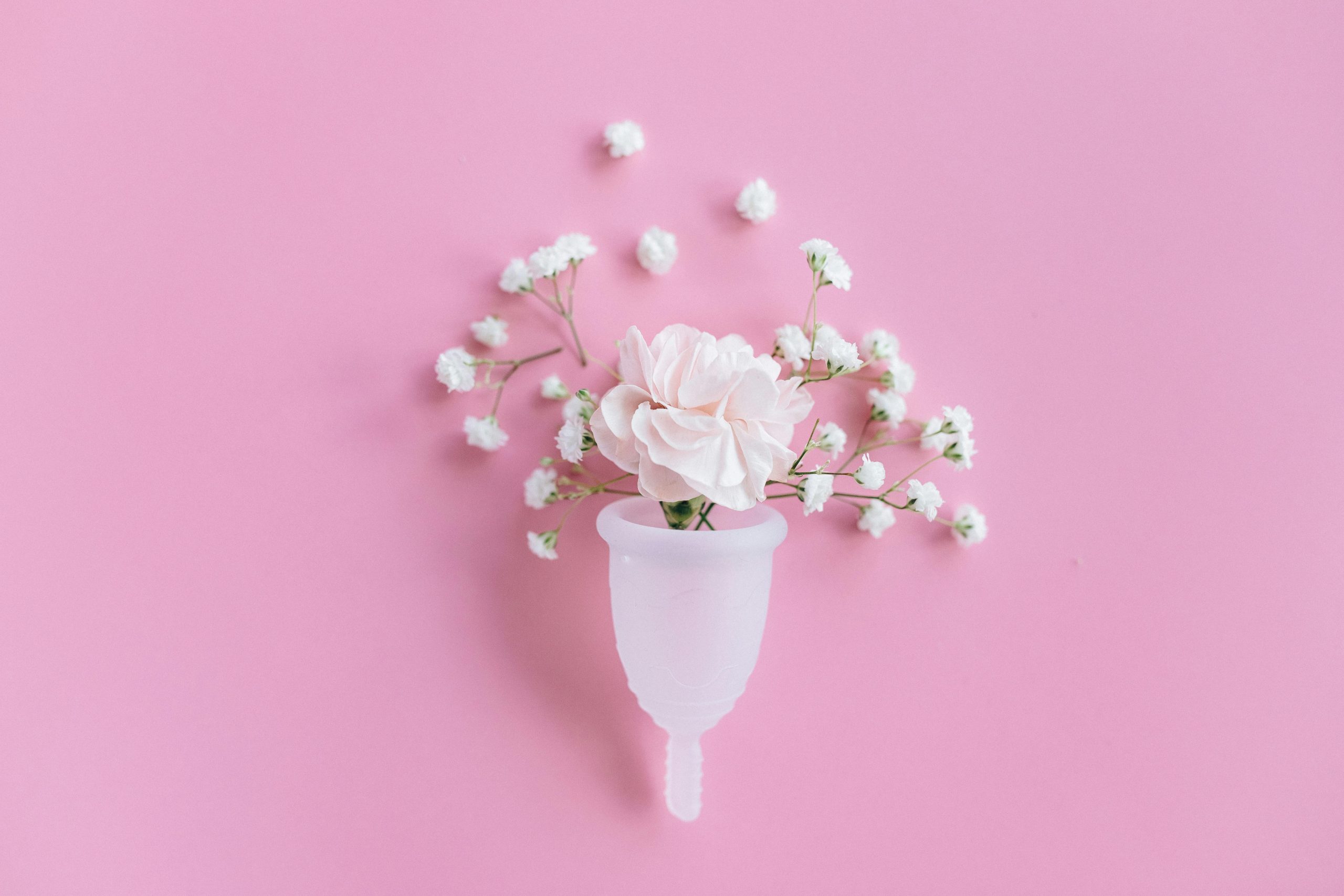
Menstrual Cups Reusable silicone cups that collect rather than absorb menstrual fluid. Can last up to 10 years with proper care.
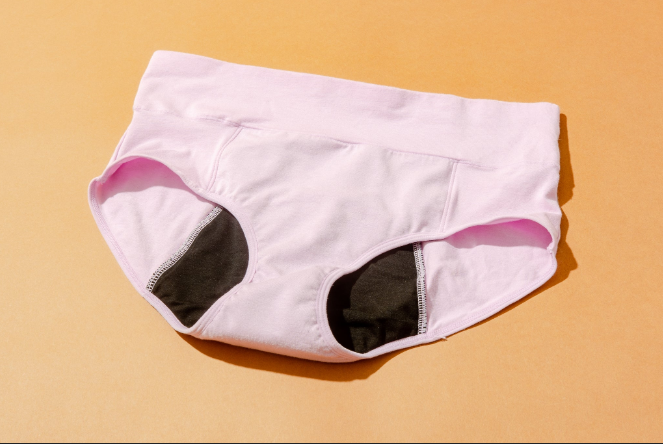
Period UnderwearSpecially designed absorbent underwear that can be worn alone or as backup protection. Machine washable and can last 2-3 years.
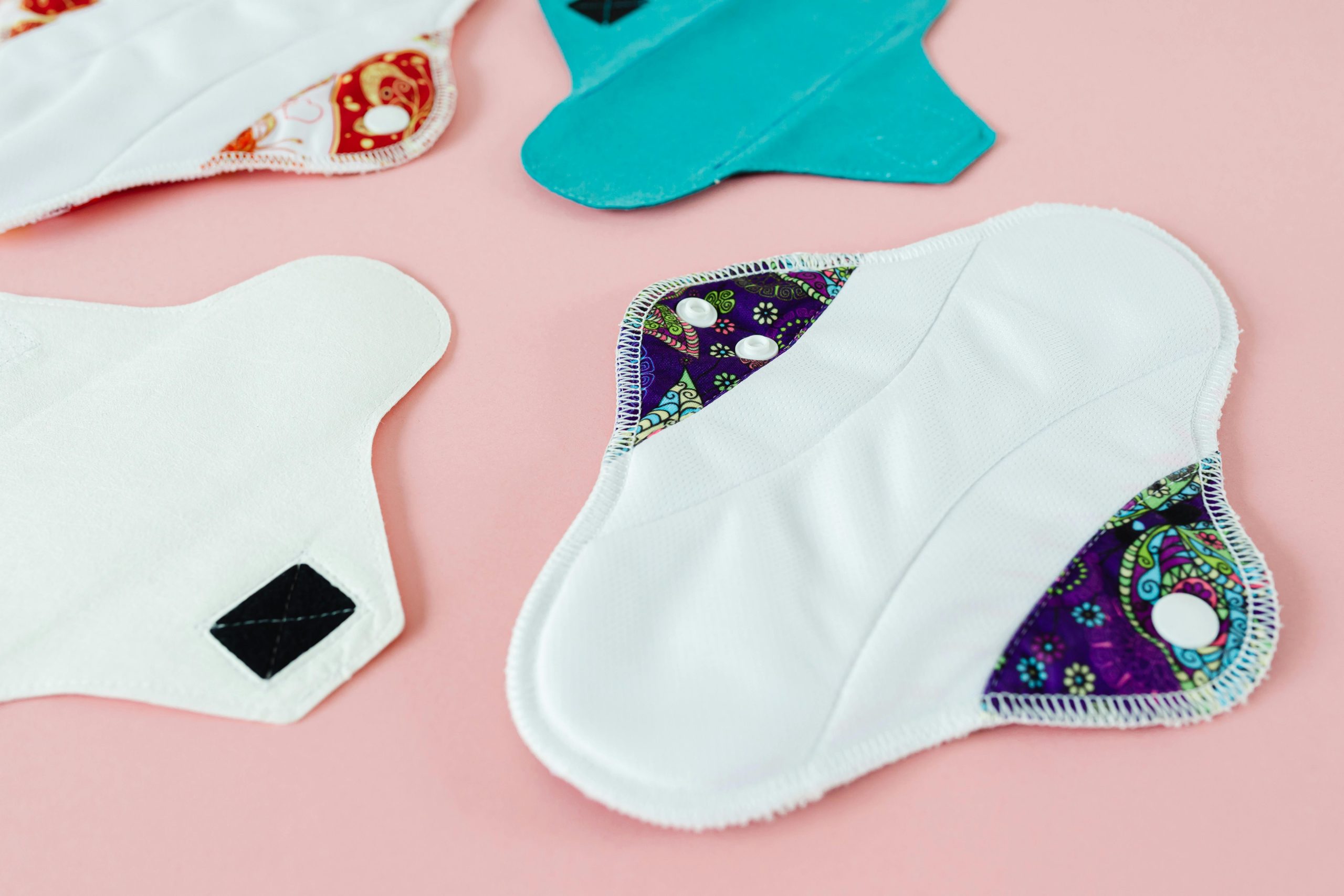
Reusable PadsCloth pads with absorbent layers and waterproof backing. Snap or stick in place like disposable pads.
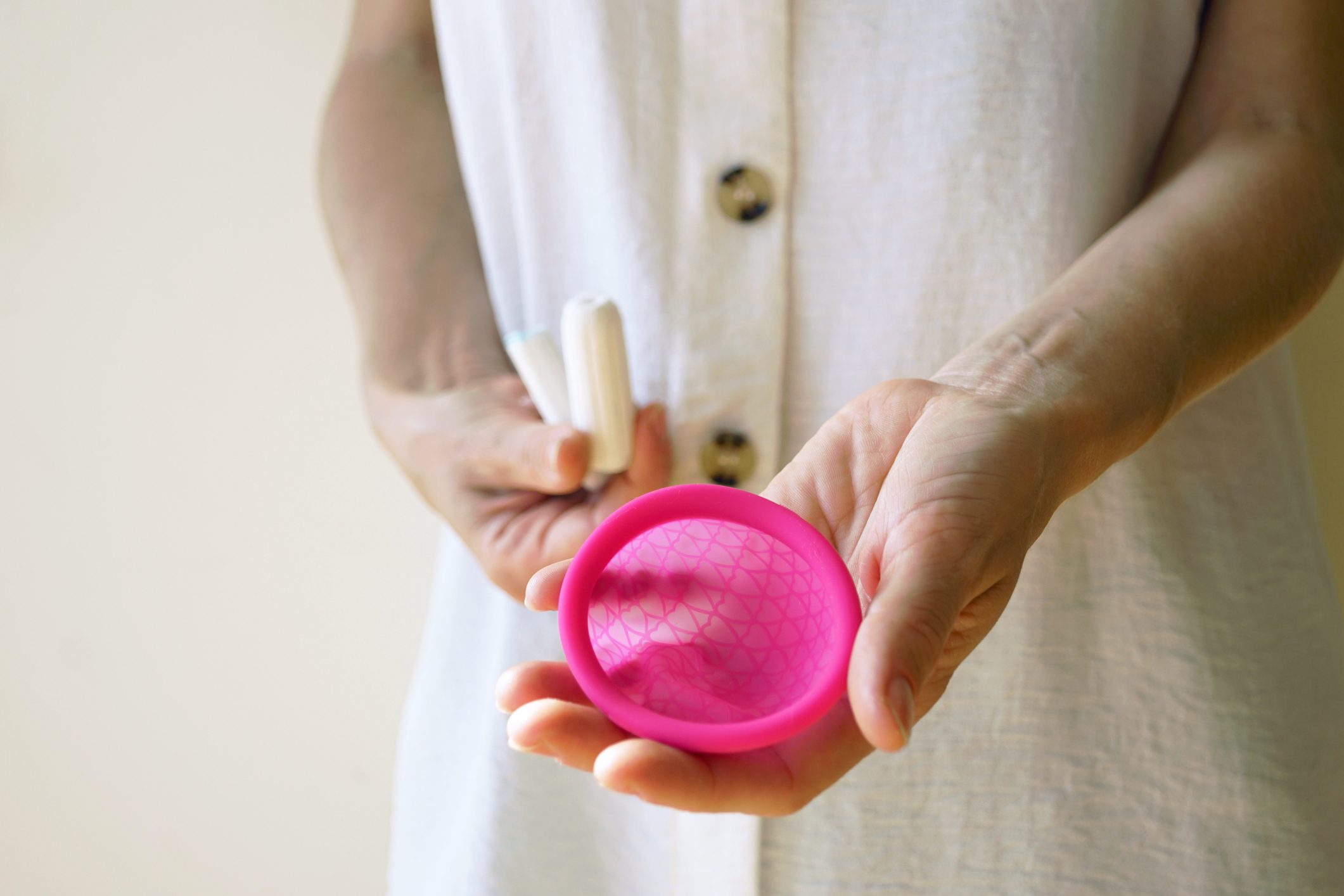
Menstrual DiscsFlexible discs that sit in the vaginal fornix. Available in both reusable and disposable versions.

Health and Medical Information

When to Consult a Healthcare Provider

  • If you experience severe pain or unusually heavy bleeding
  • Before using internal products if you have certain medical conditions
  • If you have concerns about infections or allergic reactions
  • For personalized advice about which products might work best for you

Common Concerns Addressed

Toxic Shock Syndrome (TSS)Allergies and SensitivitiesCapacity and Flow
While rare, it’s important to understand the signs and prevention methods for any internal menstrual product.Information about materials used in sustainable products and how to identify potential irritants.Understanding how different products work with light, medium, and heavy flows.

Environmental Impact

The Numbers

  • The average person who menstruates uses over 11,000 tampons and pads in their lifetime
  • Most conventional products contain plastic and take 500-800 years to decompose
  • One menstrual cup can replace thousands of disposable products

Calculating Your Impact

Calculating Your ImpactDisposal Guidelines
Use our impact calculator to see how much waste, money, and resources you could save by switching to reusable products.Even when using sustainable products, proper disposal of any waste materials helps minimize environmental impact. Learn about composting organic materials and recycling packaging.

Making the Switch

Timeline Expectations

How long it typically takes to adjust to new products

First Cycle (Days 1-7)

What to expect: Learning curve with insertion, removal, and positioning. Some discomfort or awareness of the product is normal. You may need to empty/change more frequently until you understand your flow patterns.

Cycles 2-3 (Weeks 2-6)

Improvement phase: Insertion and removal become easier. You’ll develop muscle memory and find your preferred techniques. Comfort levels increase significantly, and you’ll better predict when to change products.

Cycles 4-6 (Months 2-3)

Confidence building: Most people feel completely comfortable and confident by this point. You’ll have established routines and know exactly how the products work with your unique body and flow.

Full Adjustment (3-6 months)

Complete adaptation: Products feel like second nature. Many users report forgetting they’re even on their period. You’ll have optimised your routine and may wonder why you waited so long to switch.

Remember: Everyone’s timeline is different. Some people adjust within one cycle, while others may take 6 months. Don’t give up if the first few attempts aren’t perfect – persistence pays off with sustainable comfort and confidence.

Product Lifespan

When to replace your sustainable products

Menstrual Cups

Expected lifespan: 5-10 years with proper care
Replace when: Silicone becomes sticky, develops tears, strong odors that won’t wash out, or changes color significantly. If you experience irritation after years of comfortable use, it may be time for replacement.

Period Underwear

Expected lifespan: 2-3 years with regular use
Replace when: Absorbent layers become less effective, elastic loses stretch, fabric develops holes, or persistent odors remain after washing. Fading is normal and doesn’t affect function.

Reusable Cloth Pads

Expected lifespan: 3-5 years with proper care
Replace when: Absorbency decreases noticeably, snaps become loose or break, waterproof backing starts peeling, or fabric becomes thin and worn. Staining is normal and doesn’t require replacement.

Menstrual Discs (Reusable)

Expected lifespan: 1-2 years typically
Replace when: Rim becomes too flexible or rigid, material shows wear or tears, or if you experience fit issues that develop over time.

Pro tip: Many sustainable products last longer than their stated lifespan with excellent care. Replace based on performance and comfort, not just age. Keep receipts – some manufacturers offer warranties or replacement discounts.

Find Out More

Essential ReadingBlogs and Websites
“Period.” by Natalie Byrnes – A comprehensive guide to menstrual health and sustainable options
“The Period Book” by Karen Gravelle – Great for teens and first-time users
NHS Period Information – Reliable medical information about menstrual health
Put A Cup In It – Comprehensive menstrual cup reviews and advice
Precious Stars Pads – YouTube channel with honest product reviews
Red Tent Sisters – Community-focused menstrual education

Check out our extensive Frequently Asked Questions


Community and Support

Look up Online CommunitiesLook for Local ResourcesFind Advocacy Organisations
Facebook Groups – Connect with others using sustainable period products
Reddit Communities – Anonymous advice and product discussions
Discord Servers – Real-time chat with experienced users
Period Poverty Charities – Organizations working to make period products accessible to everyone
School Programs – Educational initiatives in your area
Healthcare Clinics – Local providers who support sustainable menstrual health
Bloody Good Period – UK charity fighting period poverty
The Cup Effect – Promoting menstrual cups globally
Period Positive – Education and advocacy for menstrual equity

Practical Guides

Practical Guides Accordion

Essential care and maintenance guidance to maximize product lifespan and ensure optimal hygiene

🧼 Cleaning Your Products

β–Ό

Proper cleaning extends product lifespan and maintains hygiene. Follow these step-by-step guides for each product type:

Menstrual Cups

  1. During your period: Rinse with cold water immediately after removal, then wash with mild, unscented soap and warm water
  2. Between periods: Sterilize by boiling in water for 5-7 minutes (use a dedicated pan or place cup in a whisk to prevent touching the bottom)
  3. Stain removal: Soak in diluted hydrogen peroxide or leave in sunlight for natural bleaching
  4. Air holes: Clean tiny holes at the rim using a soft toothbrush or push water through from inside
  5. Avoid: Harsh chemicals, antibacterial soaps, tea tree oil, or dishwashers

Period Underwear

  1. Rinse first: Rinse in cold water until water runs clear (prevents staining and odors)
  2. Machine wash: Wash on cold/warm cycle with regular detergent
  3. Drying: Air dry flat or hang (heat can damage waterproof layers and elastic)
  4. Avoid: Fabric softener (reduces absorbency), bleach, tumble drying on high heat
  5. Frequency: Wash after each use, don’t let sit wet for more than 24 hours

Reusable Cloth Pads

  1. Pre-rinse: Rinse in cold water immediately or soak in cold water until wash day
  2. Pre-wash soak: Optional overnight soak with a splash of white vinegar or baking soda
  3. Machine wash: Wash on hot cycle (60Β°C) with regular detergent
  4. Drying: Line dry in sunlight (natural disinfectant) or tumble dry on low
  5. Avoid: Fabric softeners (reduce absorbency), harsh bleach

Menstrual Discs (Reusable)

  1. Daily cleaning: Wash with mild soap and warm water, rinse thoroughly
  2. Monthly sterilization: Boil for 5-7 minutes or use sterilizing solution
  3. Rim care: Pay special attention to the rim where bacteria can accumulate
  4. Check for damage: Inspect for tears or degradation after cleaning
πŸ’‘ Pro Tip: Create a dedicated cleaning routine: Keep a small bottle of mild soap, a cleaning brush, and a sterilizing pot specifically for your menstrual products. This prevents cross-contamination and makes care easier.
⚠️ Never Use: Harsh chemicals, scented products, antibacterial soaps (can disrupt pH balance), or essential oils on any internal menstrual products. These can cause irritation and damage product materials.

πŸ“¦ Storage Solutions

β–Ό

Proper storage keeps products hygienic, extends lifespan, and prevents damage or odors:

Menstrual Cups & Discs

Best: Original cotton bag or breathable pouch

Location: Dry, cool place away from direct sunlight

Avoid: Airtight containers (can trap moisture), plastic bags, hot areas

Period Underwear

Best: Folded in regular underwear drawer

Important: Completely dry before storing

Avoid: Damp storage (causes mildew), compression that damages absorbent layers

Cloth Pads

Best: Stacked or rolled in drawer, basket, or shelf

Organization: Sort by size/absorbency for easy selection

Avoid: Storing damp, near heat sources

Used Products (Before Washing)

Best: Wet bag or waterproof pouch

Features: Look for zippered, washable, odor-resistant designs

Limit: Don’t store wet for more than 24 hours

Storage Tips by Location

  • At home: Designate a drawer or basket in bathroom or bedroom; keep cleaning supplies nearby
  • At work: Small pouch in desk drawer or bag with 1-2 backup products
  • In your bag: Compact wet bag for used items, small pouch for clean backups
  • Long-term: If storing for months, ensure products are completely clean and dry
πŸ’‘ Organization Hack: Label or color-code your storage bags: one for clean products ready to use, one for used products awaiting washing. This prevents confusion and maintains hygiene.
⚠️ Red Flags: If stored products develop musty odors, discoloration, or feel damp, they weren’t dry enough before storage. Rewash and ensure complete drying before storing again.

✈️ Travel Tips

β–Ό

Managing periods sustainably while traveling requires planning but offers significant advantages over disposables:

Essential Travel Kit
  • Your preferred menstrual product(s) plus one backup
  • Small bottle of mild, unscented soap
  • Wet bag or waterproof pouch for used items
  • Period wipes or small pack of tissues
  • Small water bottle (for rinsing cups in restrooms)
  • Hand sanitizer
  • Pain relief medication if needed
  • Period tracking app or calendar

By Travel Type

Air Travel:

  • Cups and reusables are TSA-approved; keep in carry-on
  • Pack soap in liquids bag (under 100ml) or use solid soap bar
  • Change/empty before flight if period is heavy
  • Airplane toilets have sinks – cups can be managed discreetly

Camping/Outdoor Adventures:

  • Cups ideal for limited water access (less frequent changes needed)
  • Bring extra wet bags for used cloth products
  • Biodegradable soap for outdoor washing
  • Dispose of menstrual blood at least 200 feet from water sources
  • Pack out all products (including used toilet paper)

International Travel:

  • Sustainable products mean no hunting for familiar brands abroad
  • Check if accommodation has laundry facilities for cloth products
  • Learn key phrases: “bathroom,” “hot water,” “soap” in local language
  • Cup sterilization: use electric kettle in hotel room or microwave steaming bags

Beach/Pool Holidays:

  • Cups and discs perfect for swimming (unlike pads)
  • Rinse with bottled water if tap water quality is questionable
  • Extra period underwear as backup for post-swim changing
  • Dark-colored swimwear provides peace of mind

Managing Without Ideal Facilities

  • No sink in stall: Use period wipes, empty cup/change product, wash at shared sink after, or bring small water bottle to rinse
  • Limited privacy: Period underwear requires no insertion/removal in restrooms; cups can be emptied and reinserted without rinsing
  • No hot water: Cold water works fine for daily cleaning; save sterilization for when you have access
  • Hostels/shared spaces: Wet bags conceal products; wash cloth items with regular laundry
πŸ’‘ Travel Hack: Pack a spare outfit in your day bag or carry-on. Period emergencies happen, and having clean clothes gives peace of mind when far from your accommodation.

Time Zone & Schedule Changes

  • Your period may arrive early/late due to travel stress and time changes
  • Track your cycle but pack products a few days early “just in case”
  • Long flights: empty cup/change products before boarding for comfort
  • Jet lag can intensify period symptoms – plan rest time accordingly
⚠️ Water Safety: If traveling to areas with questionable water quality, use bottled water for rinsing any products that go inside your body. When in doubt, period wipes or hand sanitizer can clean hands without water.

Scientific Research and Studies

Environmental Impact Studies:

Research on waste reduction and sustainability

Health Outcome Studies:

Comparing health effects of different product types

User Satisfaction Surveys:

Real-world experiences with sustainable products

Professional Resources

Healthcare ProvidersEducatorsEmployers
Information for medical professionals about sustainable menstrual products and patient counselling.Resources for teachers, school nurses, and youth workers discussing periods and sustainability.Guidance for creating period-friendly and environmentally conscious workplace policies.

This page is regularly updated with the latest information and resources. If you have suggestions for additional resources or spot any outdated information, please contact us.

Disclaimer: This information is for educational purposes only and should not replace professional medical advice. Always consult with a healthcare provider for personalized guidance about menstrual health.


Healthcare Professional Resources Popup

🩺 Healthcare Provider Resources

Professional guidance for counselling patients about sustainable menstrual products

πŸ“‹ Clinical Overview

Sustainable menstrual products offer safe, cost-effective alternatives to conventional disposable products. As healthcare providers, understanding these options enables informed patient counselling and supports both individual health and environmental sustainability goals.

Current evidence supports the safety and efficacy of properly manufactured menstrual cups, reusable pads, and period underwear when used according to manufacturer guidelines and with appropriate patient selection.

πŸ‘₯ Provider-Specific Guidance

πŸ₯ General Practitioners

  • Screen for contraindications during routine appointments
  • Provide basic information about product types and safety
  • Address common concerns about TSS and infections
  • Refer to gynaecology for complex cases
  • Monitor patients transitioning to new products

πŸ‘©β€βš•οΈ Gynaecologists

  • Conduct detailed assessments for internal product suitability
  • Provide sizing guidance for cups and discs
  • Address anatomical considerations and variations
  • Manage complications or adverse reactions
  • Offer insertion training and technique guidance

πŸ‘Ά Paediatricians/Adolescent Medicine

  • Discuss age-appropriate product options with teens
  • Address virginity myths and anatomical concerns
  • Involve parents/guardians in decision-making as appropriate
  • Provide education about normal menstrual health
  • Support gradual transition to sustainable products

πŸ₯ Practice Nurses/Nurse Practitioners

  • Provide hands-on education and demonstration
  • Follow up on patient experiences and concerns
  • Assist with practical insertion and removal techniques
  • Monitor for signs of complications or intolerance
  • Support patient confidence building

🌍 Public Health Providers

  • Promote sustainable options in community health programs
  • Address period poverty through reusable product access
  • Develop educational materials for diverse populations
  • Support policy initiatives for product accessibility
  • Monitor population health outcomes

🏫 School Health Professionals

  • Educate students about all available options
  • Support students using sustainable products at school
  • Address practical concerns about changing at school
  • Maintain emergency supplies of various product types
  • Collaborate with families on product choices

πŸ“Š Key Evidence for Clinical Practice

Safety Profile: Systematic reviews show menstrual cups have similar or lower infection rates compared to tampons, with extremely low TSS risk (fewer than 10 documented cases globally).
Efficacy: Clinical trials demonstrate equivalent or superior leak protection compared to disposable products, with high user satisfaction rates (80%+ in most studies).
Economic Impact: Cost-benefit analyses show 95%+ cost savings over product lifespan, particularly beneficial for low-income patients and developing healthcare systems.
Environmental Impact: Life-cycle assessments demonstrate significant waste reduction (95%+ less waste) and carbon footprint reduction compared to disposable products.
User Acceptance: Longitudinal studies show satisfaction increases with continued use, with most users rating products favourably after 3-6 cycles of use.

πŸ’¬ Patient Counselling Key Points

Initial Assessment Medical history, current menstrual products, concerns, anatomical considerations, lifestyle factors
Product Education Explain options (cups, discs, underwear, pads), how they work, capacity, lifespan, costs
Safety Information TSS prevention, proper hygiene, when to seek medical attention, contraindications
Practical Guidance Insertion techniques, removal methods, cleaning protocols, troubleshooting common issues
Expectation Setting Learning curve (2-3 cycles), initial discomfort normal, when to follow up, adaptation timeline
Follow-up Planning Schedule check-ins, monitoring for problems, addressing ongoing concerns, success metrics

⚠️ Contraindications and Special Considerations

Absolute Contraindications
  • Previous TSS history (internal products)
  • Active pelvic infection
  • Severe immunocompromise
  • Inability to maintain proper hygiene
Relative Contraindications
  • Recent pelvic surgery
  • Severe cervical stenosis
  • Significant pelvic organ prolapse
  • Recurrent UTIs
Special Considerations
  • IUD users (cups may dislodge strings)
  • Postpartum period (timing varies)
  • Adolescents (may need smaller sizes)
  • Cognitive impairment (supervision needed)
Monitor Closely
  • History of allergic reactions
  • Chronic pelvic pain conditions
  • Heavy menstrual bleeding
  • Previous pelvic inflammatory disease

πŸ“š Quick Reference Guide

Product Type Best Candidates Key Benefits Main Considerations Follow-up Timing
Menstrual Cups Anatomically suitable, comfortable with internal products 12-hour wear, high capacity, 10-year lifespan Learning curve, sizing important 2-4 weeks
Period Underwear All patients, especially teens, heavy flow Familiar use, no insertion, backup protection Higher initial cost, washing requirements 1-2 cycles
Reusable Pads External product preference, sensitive skin Familiar format, breathable materials More changes needed, washing routine 1-2 cycles
Menstrual Discs High cervix, comfortable with internal products Can wear during sex, high capacity Insertion technique critical, less familiar 2-6 weeks

πŸ“– Continuing Education Resources

  • Royal College of Obstetricians and Gynaecologists: Position statements and guidance on menstrual health
  • British Medical Journal: Recent systematic reviews on menstrual cup safety and efficacy
  • Faculty of Sexual and Reproductive Healthcare: Clinical guidance on menstrual health management
  • NHS Clinical Knowledge Summaries: Updated guidance on menstrual disorders and management options
  • International conferences: FIGO, ACOG, and RCOG meetings frequently feature menstrual health sessions

πŸ“ž When to Refer or Escalate

  • Immediate referral: Signs of TSS, severe pelvic infection, inability to remove internal product
  • Gynaecology referral: Anatomical concerns, recurrent problems, complex medical history
  • Specialist consultation: Patients with bleeding disorders, complex pelvic conditions
  • Follow-up required: Any adverse reactions, persistent discomfort, patient concerns

Professional Use Disclaimer: This information is intended for qualified healthcare professionals only and should be used in conjunction with clinical judgment and current medical guidelines. Always consider individual patient factors and consult current literature when making clinical decisions. This guidance does not replace formal medical training or clinical experience.

Clinical Sources: RCOG guidance documents, BMJ systematic reviews, Cochrane Library analyses, NHS Clinical Knowledge Summaries, NICE guidelines, peer-reviewed gynaecological and public health literature. Information current as of 2024.

Educator Resources Popup

πŸŽ“ Educator Resources

Comprehensive guidance for teaching about periods and sustainable menstrual products

πŸ“š Educational Overview

Teaching about menstrual health and sustainable period products empowers young people with knowledge, reduces stigma, and promotes both personal health and environmental awareness. This resource supports educators in delivering age-appropriate, inclusive, and evidence-based menstrual education.

Research shows that comprehensive menstrual education improves health outcomes, reduces school absenteeism, and builds confidence in young people navigating puberty and reproductive health.

πŸ‘©β€πŸ« Role-Specific Guidance

🏫 Secondary School Teachers

  • Integrate into PSHE, biology, and citizenship curricula
  • Address menstrual health in age-appropriate science lessons
  • Create inclusive classroom environments for all students
  • Coordinate with school nurses and support staff
  • Handle sensitive questions and diverse cultural perspectives

πŸ₯ School Nurses

  • Provide practical support and product guidance
  • Offer individual consultations and health education
  • Manage emergency supplies and first-time experiences
  • Support students with medical conditions affecting periods
  • Collaborate with families on health decisions

🎯 Youth Workers

  • Deliver informal education in community settings
  • Address period poverty and accessibility issues
  • Support vulnerable young people and foster care
  • Facilitate peer education and support groups
  • Advocate for policy changes and resource access

πŸ“– Primary School Staff

  • Prepare older primary students (Year 5-6) for puberty
  • Address early menstruation with sensitivity
  • Coordinate with parents about readiness and timing
  • Create supportive environments for early developers
  • Provide basic, age-appropriate information

πŸ›οΈ Further Education Tutors

  • Support students transitioning to independence
  • Address practical life skills and self-management
  • Include sustainability education and choices
  • Support international students with cultural differences
  • Connect with campus health and support services

β™Ώ SEND Specialists

  • Adapt education for different learning needs and abilities
  • Support students with physical and intellectual disabilities
  • Coordinate with families and care teams
  • Address practical management challenges
  • Ensure dignity and independence where possible

πŸ“‹ Sample Lesson Plans

Year 6 (Ages 10-11): “Preparing for Puberty”
Learning Objectives:
  • Understand that periods are a normal part of growing up
  • Know basic facts about menstruation and the menstrual cycle
  • Feel confident asking questions and seeking help
  • Understand that different products are available
Year 8 (Ages 12-13): “Menstrual Health and Hygiene”
Learning Objectives:
  • Explain the menstrual cycle and its purpose
  • Compare different types of menstrual products
  • Discuss menstrual health and when to seek help
  • Challenge period stigma and myths
Year 10 (Ages 14-15): “Sustainable Periods and Environmental Impact”
Learning Objectives:
  • Analyse environmental impact of different menstrual products
  • Evaluate sustainable alternatives and their benefits
  • Consider economic and social factors in product choice
  • Develop critical thinking about marketing and product claims

πŸ‘Ά Age-Appropriate Content Guidelines

Ages 8-10 (Year 4-5)
Key Messages: Bodies change as we grow up. Some girls start periods around this age. Periods are normal and healthy. Suitable Topics: Basic body changes, asking trusted adults questions, everyone develops differently. Avoid: Detailed product information, insertion methods, complex anatomy.
Ages 10-12 (Year 6-7)
Key Messages: Periods happen monthly and are part of the reproductive system. Different products help manage periods safely. Suitable Topics: Basic cycle information, types of products available, hygiene, emotional changes. Focus: Normalizing periods, practical preparation, support systems.
Ages 12-14 (Year 8-9)
Key Messages: Understanding your cycle helps you make informed choices. Many product options exist with different benefits. Suitable Topics: Detailed cycle education, product comparison, health considerations, myth-busting. Skills: Critical thinking, product evaluation, health monitoring.
Ages 14+ (Year 10+)
Key Messages: Your choices impact your health, finances, and environment. Be informed consumers and advocates. Suitable Topics: All product types including internal options, sustainability, economics, global perspectives. Skills: Research skills, advocacy, peer education, informed decision-making.

🚫 Common Myths to Address

MYTH: “Using tampons or cups affects virginity”
FACT: Virginity is about sexual experience, not hymens. The hymen can stretch from many activities including exercise, and hymens naturally vary between individuals.
MYTH: “You can’t swim or exercise during periods”
FACT: Physical activity is beneficial during menstruation. With proper products, you can do any activity including swimming and sports.
MYTH: “Periods sync up when people live together”
FACT: Scientific studies show this is coincidence. Menstrual cycles naturally vary in length, creating apparent synchronization by chance.
MYTH: “Sustainable products are unsafe or unhygienic”
FACT: Research shows menstrual cups and other sustainable products are as safe as or safer than disposables when used correctly.
MYTH: “Young people can’t use internal products”
FACT: Age doesn’t determine suitability – comfort, anatomy, and personal preference are key factors. Some teens find cups easier than tampons.

🎯 Interactive Activities

Product Comparison Chart Students research and compare different menstrual products, considering factors like cost, environmental impact, and suitability.
Myth-Busting Detective Students identify common period myths and research evidence-based facts to counter misinformation.
Period Poverty Campaign Design awareness campaigns about period poverty and propose solutions for their school or community.
Global Perspectives Project Explore how menstruation is viewed and managed in different cultures and countries around the world.
Sustainability Calculator Calculate the environmental and economic impact of different period product choices over a lifetime.
Support System Mapping Identify trusted adults and resources students can turn to for period-related questions and support.

πŸ‘¨β€πŸ‘©β€πŸ‘§β€πŸ‘¦ Parent and Family Communication

Before Teaching:
  • Send advance notice about upcoming menstrual health lessons
  • Provide information about curriculum content and approach
  • Offer opportunities for parents to discuss concerns
  • Share resources for continuing conversations at home
  • Respect cultural and religious sensitivities while maintaining educational standards
Communication Templates:
  • Parent information letters explaining lesson objectives
  • Take-home resources for family discussions
  • Guidance for parents uncomfortable with the topic
  • Information about sustainable options for interested families
  • Contact details for follow-up questions or support

πŸ“š Teaching Resources and Materials

Visual Aids
  • Anatomical diagrams and models of reproductive systems
  • Sample menstrual products for demonstration (sealed/unused)
  • Menstrual cycle charts and tracking tools
  • Infographics comparing product environmental impacts
  • Age-appropriate videos and animations
Interactive Materials
  • Period tracking apps and calendar templates
  • Myth vs. fact sorting activities
  • Product comparison worksheets
  • Question boxes for anonymous inquiries
  • Role-play scenarios for difficult conversations
Assessment Tools
  • Knowledge quizzes (age-appropriate)
  • Reflection journals and discussion prompts
  • Group project rubrics
  • Self-assessment confidence scales
  • Feedback forms for lesson improvement
Support Materials
  • Emergency period kit contents and instructions
  • Referral pathways for health concerns
  • Crisis support information for period poverty
  • Inclusive language guidelines
  • Cultural competency resources

🏫 Creating Supportive School Environments

  • Policy development: Clear policies supporting menstruating students, including toilet access and absence procedures
  • Physical environment: Adequate toilet facilities, disposal bins, mirrors, and washing facilities
  • Emergency supplies: Free or low-cost period products available in toilets and from staff
  • Staff training: All staff aware of period-related issues and appropriate responses
  • Inclusive practices: Language and policies that include transgender and non-binary students
  • Peer support: Systems for students to support each other and reduce stigma

Educational Use Disclaimer: This information is intended for qualified educators and youth workers. Content should be adapted to local curriculum requirements, cultural contexts, and institutional policies. Always follow safeguarding protocols and involve appropriate support staff when addressing sensitive topics with young people.

Educational Sources: Department for Education guidance, UNESCO menstrual health education frameworks, PSHE Association resources, Brook educational materials, WHO adolescent health guidelines, peer-reviewed education and public health research. Information current as of 2024.

Employer Resources Popup

πŸ’Ό Employer Resources

Creating period-friendly and environmentally conscious workplace policies

πŸ’‘ Why Period-Friendly Workplaces Matter

Creating supportive environments for menstruating employees improves wellbeing, productivity, and retention while demonstrating commitment to equality and sustainability. Progressive period policies attract talent, reduce absenteeism, and support your environmental goals.

Research shows that 42% of women have experienced period-related challenges at work, with many reporting reduced productivity, increased sick leave, and workplace anxiety. Simple policy changes can dramatically improve employee experience and business outcomes.

πŸ“ˆ The Business Case

Reduced Absenteeism Studies show 20-30% reduction in period-related sick days with supportive policies
Improved Productivity Employees report higher focus and performance when period needs are met
Enhanced Retention 73% of women more likely to stay with period-supportive employers
Talent Attraction Progressive policies help recruit top talent, especially younger demographics
Cost Savings Reduced recruitment, training, and temporary staff costs
Brand Enhancement Positive employer branding and CSR reputation boost

🏒 Implementation by Organization Type

πŸͺ Small Businesses (1-50 employees)

  • Start with free period products in restrooms
  • Flexible working arrangements for period symptoms
  • Informal support and understanding culture
  • Partner with local suppliers for sustainable products
  • Include in employee handbook as wellness benefit

🏒 Medium Companies (51-500 employees)

  • Formal period policy and manager training
  • Subsidized sustainable menstrual products
  • Employee resource groups and peer support
  • Health insurance coverage for menstrual products
  • Workplace design considerations (restroom facilities)

🏭 Large Corporations (500+ employees)

  • Comprehensive menstrual health programs
  • On-site health services and period support
  • Global policy standardization across locations
  • Partnerships with menstrual health organizations
  • Data tracking and policy effectiveness measurement

🚚 Remote/Hybrid Organizations

  • Monthly period product delivery programs
  • Virtual health and wellness support
  • Flexible deadline policies during periods
  • Digital resources and education platforms
  • Home office comfort allowances

🏭 Manufacturing/Physical Work

  • Enhanced restroom facilities and privacy
  • Uniform considerations for period protection
  • Break schedule flexibility
  • Heavy lifting accommodations during periods
  • On-site first aid and period emergency supplies

πŸ‘₯ Customer-Facing Roles

  • Discrete relief and product access systems
  • Colleague coverage arrangements
  • Uniform policies that support period comfort
  • Training for managers on period-related needs
  • Customer service script adaptations if needed

πŸ“‹ Sample Policy Templates

Basic Menstrual Health Support Policy
Purpose: To ensure all employees have access to appropriate facilities and support for menstrual health needs, promoting workplace equality and wellbeing.

Provisions:
  • Free period products available in all workplace restrooms
  • Flexible working arrangements for period-related symptoms
  • No stigma or discrimination regarding menstrual health needs
  • Confidential support channels for period-related workplace issues
Comprehensive Period Support Program
Scope: This program recognizes menstruation as a natural biological process that may affect work performance and provides comprehensive support.

Benefits Include:
  • Monthly allowance for sustainable menstrual products
  • Paid menstrual health days (up to 12 annually)
  • Workplace adjustments during menstruation (lighting, seating, breaks)
  • Access to occupational health support for menstrual disorders
  • Manager training on supporting menstruating employees

πŸ’° Cost-Benefit Analysis

Free Period Products (per employee/year) Β£15-25
Manager Training (one-time) Β£200-500
Policy Development Β£500-2000
Facility Improvements Β£100-1000
Total Annual Investment (per employee) Β£20-40
ROI: Reduced Turnover/Absenteeism Β£200-500+ savings

🌱 Environmental Benefits & Corporate Sustainability

Waste Reduction Supporting sustainable period products reduces workplace waste by up to 95% per employee
Carbon Footprint Reusable products significantly lower your organization’s environmental impact
ESG Goals Period policies contribute to Environmental, Social, and Governance objectives
Supply Chain Partner with sustainable menstrual product companies aligned with your values
Employee Engagement 76% of employees want to work for environmentally responsible companies
Reporting Benefits Measurable environmental impact data for sustainability reports

πŸ“Š Implementation Success Stories

Tech Startup Success
85 employees, London-based software company

Implementation: Free sustainable period products, flexible working during periods, manager training program.

Results: 35% reduction in period-related sick days, 89% employee satisfaction score, featured in “Best Places to Work” awards. Total cost: Β£1,200 annually. Employee retention improved by 23%.
Manufacturing Plant Initiative
450 employees, automotive parts manufacturer

Challenge: Limited break flexibility and basic restroom facilities affecting female workforce.

Results: Upgraded facilities, introduced period-friendly policies. Reduced female employee turnover by 40%, improved safety compliance scores, saved Β£45,000 in recruitment costs.
Remote-First Company Program
200 employees, distributed marketing agency

Innovation: Monthly sustainable period product delivery service, virtual wellness support, flexible deadlines policy.

Results: 92% program satisfaction, 25% increase in employee Net Promoter Score, recognized as industry leader in employee wellbeing. ROI achieved within 6 months.

πŸš€ Getting Started: Implementation Roadmap

  1. Assessment Phase (Month 1): Survey employees, audit current facilities, research legal requirements
  2. Policy Development (Month 2): Draft policies, consult with HR and legal teams, gather stakeholder input
  3. Pilot Program (Months 3-4): Test with volunteer groups, gather feedback, refine approach
  4. Training Rollout (Month 5): Train managers, communicate policies to all employees, launch support systems
  5. Full Implementation (Month 6+): Launch organization-wide, monitor effectiveness, continuous improvement
  6. Review & Optimization (Annual): Evaluate impact, update policies, expand program based on results

πŸ“ž Support Resources

  • ACAS (Advisory, Conciliation and Arbitration Service): Employment law guidance and policy templates
  • CIPD (Chartered Institute of Personnel and Development): HR best practices and implementation guides
  • Bloody Good Period: Workplace period poverty advocacy and support
  • Period Positive: Educational resources and workplace training programs
  • City to Sea: Environmental impact guidance for sustainable workplace practices
  • Equality and Human Rights Commission: Legal compliance and equality guidance

Business Use Disclaimer: This information is intended for employers and HR professionals. Policy recommendations should be adapted to specific organizational needs, legal requirements, and cultural contexts. Always consult with legal and HR specialists before implementing new workplace policies. This guidance does not constitute legal or professional advice.

Business Sources: CIPD research reports, ACAS employment guidance, workplace wellbeing studies, ESG reporting frameworks, equality legislation, HR management journals, employee satisfaction surveys, sustainability impact studies. Information current as of 2024.

Impact Calculator

πŸ“Š Menstrual Product Impact Calculator

See how much you could save by switching to sustainable period products

Tell us about yourself

25 years old
5 days
4 products

Your Impact Over 26 Years

πŸ’·

Money Saved

Β£0

Calculating…

πŸ—‘οΈ

Waste Avoided

0 kg

Calculating…

πŸ“¦

Products Replaced

0

Disposable products you won’t need to buy

🌱

COβ‚‚ Avoided

0 kg

Calculating…

⏰

Time Saved Shopping

0 hours

No more emergency shop runs!

🌿 Important Notes

  • Calculations are estimates based on average usage and UK prices
  • Environmental impact includes manufacturing, packaging, and disposal
  • Individual results may vary based on flow, product preferences, and usage patterns
  • Initial investment pays for itself typically within 6-18 months

Ready to make the switch and start saving?

Get a Starter Kit
Disposal Guide Information Popup

♻️ Sustainable Disposal Guide

Proper end-of-life disposal for sustainable period products

🌱 Why Proper Disposal Matters

Even when using sustainable products, proper disposal of any waste materials helps minimize environmental impact. While reusable products dramatically reduce waste, there are still some materials that need thoughtful disposal throughout their lifecycle.

Understanding how to properly dispose of different components ensures your environmental impact remains minimal from purchase to disposal.

♻️ Disposal Methods Overview

🌿 Composting Organic Materials

Best for: 100% organic cotton, bamboo, hemp fibres

  1. Remove all synthetic components (elastics, snaps, waterproof backing)
  2. Cut organic materials into smaller pieces (speeds decomposition)
  3. Add to home compost bin with other organic matter
  4. Ensure proper compost conditions (moisture, air, temperature)
  5. Allow 6-12 months for complete breakdown

Alternative: Check if your local council offers organic waste collection that accepts textiles.

πŸ“¦ Recycling Components

Best for: Packaging, metal parts, some plastic components

  1. Separate materials by type (cardboard, plastic, metal)
  2. Clean any plastic components thoroughly
  3. Check local recycling guidelines for specific plastics
  4. Take plastic films to supermarket collection points
  5. Put metal snaps/clasps in metal recycling

Note: Recycling rules vary by location – always check your local council’s specific guidelines.

πŸ”„ Manufacturer Take-Back

Best for: Silicone cups, complex mixed-material products

  1. Check manufacturer’s website for take-back programs
  2. Clean product according to their instructions
  3. Package securely for return shipping
  4. Some brands offer discounts on new products
  5. Product gets properly processed or recycled

Growing option: More manufacturers are offering these programs as sustainability becomes a priority.

πŸ“‹ Material-Specific Disposal Guide

Organic Cotton
Best method: Home composting or council organic waste
Prep: Remove synthetic threads and components first
Medical-Grade Silicone
Best method: Manufacturer take-back program
Last resort: General waste (inert, won’t leach chemicals)
TPU/PUL Backing
Best method: General waste disposal
Note: Cannot be recycled in standard systems
Metal Components
Best method: Metal recycling or scrap collection
Prep: Remove from fabric components first
Bamboo/Hemp Fibres
Best method: Home composting
Avoid: Chemically processed bamboo (not suitable for composting)
Product Packaging
Best method: Standard recycling (cardboard) or plastic film collection
Prep: Clean and sort by material type

⏰ Decomposition Timeline

Understanding how long different materials take to break down:

Organic Cotton 1-5 months in compost
Bamboo Fibres 4-6 months in compost
Hemp Fibres 3-4 months in compost
TPU/PUL 50+ years in landfill
Medical Silicone Inert – doesn’t break down

βœ… Do’s and Don’ts

βœ… DO

  • Disassemble products before disposal
  • Check manufacturer take-back programs
  • Clean all components thoroughly
  • Separate organic from synthetic materials
  • Verify local recycling guidelines
  • Compost only untreated organic materials
  • Remove metals for scrap recycling

❌ DON’T

  • Compost dyed or treated materials
  • Put silicone in standard recycling
  • Throw away without separating components
  • Compost synthetic materials
  • Ignore manufacturer disposal instructions
  • Put mixed materials in compost
  • Assume all “biodegradable” claims are accurate

🏠 Local Resources & Considerations

  • Council websites: Check your local authority’s specific recycling and composting guidelines
  • Supermarket collection points: Many stores accept plastic films and certain textiles
  • Community composting: Some areas have shared composting facilities that accept more materials
  • Textile recycling: Specialist textile recyclers may accept mixed-material period products
  • Zero-waste shops: Often have information about local disposal and recycling options
  • Environmental groups: Local groups may know about specialized recycling programs

Remember: Disposal options vary significantly by location. What works in one area may not be available in another, so always verify local options.

🎯 Maximizing Product Lifespan

The best disposal is avoiding disposal as long as possible:

  • Follow care instructions: Proper cleaning and storage extends product life
  • Inspect regularly: Catch wear early to prevent complete failure
  • Rotate products: Using multiple products reduces wear on individual items
  • Store properly: Correct storage prevents premature degradation
  • Repair when possible: Small tears or loose seams can often be mended
  • Repurpose creatively: Old period underwear can become cleaning rags

Disposal Disclaimer: Disposal methods and recycling capabilities vary significantly by location and change over time. Always check current local guidelines and manufacturer recommendations. This information is for general guidance and should be verified with local authorities and waste management services.

Sources: UK local authority waste management guidelines, manufacturer disposal recommendations, composting research studies, environmental sustainability reports, textile recycling industry data. Information current as of 2024.

TSS Information Popup

⚠️ Toxic Shock Syndrome (TSS)

Important safety information for menstrual product users

πŸ” What is TSS?

Toxic Shock Syndrome is a rare but serious bacterial infection that can occur when certain bacteria produce toxins in the body. While TSS can affect anyone, it has been associated with tampon use and, very rarely, with menstrual cups.

TSS is caused by toxins from Staphylococcus aureus (staph) or Streptococcus pyogenes (strep) bacteria that some people naturally carry.

🚨 Recognise the Symptoms

TSS symptoms can develop rapidly. If you experience any combination of these symptoms while using internal menstrual products, remove the product immediately and seek medical attention:

Sudden High Fever 39Β°C (102Β°F) or higher
Flu-like Symptoms Chills, muscle aches, headache
Nausea & Vomiting Sudden onset, may include diarrhoea
Skin Rash Sunburn-like rash, especially on palms and soles
Low Blood Pressure Dizziness, fainting, confusion
Organ Problems Kidney, liver, or lung complications

πŸ†˜ Emergency Action

If you suspect TSS: Remove your menstrual product immediately and seek emergency medical care. Tell medical staff you may have TSS and mention your menstrual product use.

πŸ›‘οΈ Prevention Guidelines

  • Follow time limits: Never exceed 8 hours for tampons, 12 hours for menstrual cups
  • Wash your hands: Always wash thoroughly before and after handling any internal product
  • Use the right absorbency: Choose the lowest absorbency needed for your flow
  • Alternate products: Consider using pads overnight or on lighter days
  • Proper insertion: Ensure products are inserted correctly and comfortably
  • Quality products: Use reputable brands made from safe materials
  • Replace regularly: Don’t reuse disposable products; clean reusables thoroughly
  • Listen to your body: If something feels wrong, remove the product

πŸ“Š Understanding the Risk

  • Overall TSS risk: Extremely rare – affects 1-2 people per 100,000
  • Tampon-related TSS: About 1 case per 100,000 menstruating individuals per year
  • Menstrual cup TSS: Fewer than 10 documented cases worldwide since cups became widely available
  • For context: You’re statistically more likely to be struck by lightning

🩺 Special Considerations

Higher risk factors:

  • Previous history of TSS (avoid internal products)
  • Recent surgery or wounds
  • Compromised immune system
  • Skin infections or open cuts

Product-specific guidance:

  • Tampons: Most documented TSS cases; change every 4-8 hours
  • Menstrual cups: Very few TSS cases; empty every 4-12 hours depending on flow
  • Menstrual discs: Similar to cups; follow manufacturer guidelines
  • External products: Pads and period underwear carry no TSS risk

Medical Disclaimer: This information is for educational purposes only and should not replace professional medical advice. Always consult healthcare providers about your individual risk factors and any concerning symptoms. If you have specific health conditions or concerns about TSS, discuss with your GP or gynaecologist before using internal menstrual products.

Sources: NHS, Royal College of Obstetricians and Gynaecologists (RCOG), Centers for Disease Control and Prevention (CDC), peer-reviewed medical literature. Information current as of 2024.

Allergies & Sensitivities Information Popup

πŸ” Allergies & Sensitivities

Understanding materials and identifying potential irritants

πŸ’‘ Understanding Sensitivities

While sustainable menstrual products are generally made from safer, more natural materials than conventional products, individual sensitivities can still occur. Understanding the materials used and how to identify reactions helps you make informed choices.

Most reactions are mild irritations rather than true allergies, but it’s important to know the difference and how to respond appropriately.

πŸ§ͺ Common Materials in Sustainable Products

πŸ₯€ Medical-Grade Silicone

Used in: Menstrual cups, some discs

Properties: Hypoallergenic, non-porous, chemically inert

Common brands: Platinum-cure silicone (safest)

Allergy risk: Extremely rare – true silicone allergies affect less than 1% of population

🌿 Organic Cotton

Used in: Reusable pads, period underwear layers

Properties: Breathable, absorbent, pesticide-free

Benefits: Reduces chemical exposure vs conventional cotton

Potential issues: Rare cotton allergies; some people sensitive to natural plant fibers

🧡 Bamboo Fiber

Used in: Period underwear, reusable pad layers

Properties: Naturally antibacterial, moisture-wicking

Processing: Look for mechanically processed vs chemically processed

Considerations: Processing chemicals may cause reactions in sensitive individuals

πŸ›‘οΈ TPU (Thermoplastic Polyurethane)

Used in: Waterproof backing in period underwear, reusable pads

Properties: Flexible, waterproof, washable

Safety: Food-grade TPU is considered very safe

Rare reactions: Some people sensitive to synthetic polymers

🧢 Merino Wool

Used in: Some period underwear brands

Properties: Naturally antibacterial, temperature regulating

Treatment: Often chlorine-free treated

Known issue: Wool allergies affect 1-5% of population; may cause itching or dermatitis

🧴 Dyes and Treatments

Used in: Colored fabrics, antimicrobial treatments

Common types: Natural dyes, silver treatments, chemical finishes

Safer options: Undyed/natural colored products

Higher risk: Dyes and chemical treatments more likely to cause reactions

🚨 Recognising Allergic Reactions

Watch for these symptoms during or after product use:

Skin reactions: Redness, rash, hives, swelling
Irritation: Itching, burning, stinging sensations
Inflammation: Swelling of vulva, vagina, or surrounding areas
Discharge changes: Unusual colour, smell, or consistency
Pain/discomfort: During insertion, wear, or removal
Respiratory: Sneezing, congestion (rare, severe reactions)

Timeline: Reactions typically occur within hours to days of first exposure, but can develop after repeated use as sensitivities build up.

πŸ§ͺ How to Test for Sensitivities

Before using any new menstrual product, especially if you have known sensitivities:

  1. Skin patch test: Place a small piece of the material on your inner arm for 24-48 hours
  2. Short trial: Use the product for just 1-2 hours on your first try
  3. Monitor closely: Watch for any irritation, discomfort, or unusual symptoms
  4. Gradual increase: If no reaction, gradually increase wear time
  5. Track symptoms: Keep notes on any reactions and their timing
  6. Clean environment: Ensure products are properly sterilised before first use

For cups specifically: Some recommend doing a “dry run” insertion test when not menstruating to check for immediate reactions without the complication of menstrual fluid.

πŸ†˜ When to Seek Medical Help

Remove the product immediately and consult a healthcare provider if you experience severe reactions, spreading rash, difficulty breathing, or symptoms that worsen or don’t improve within 24 hours of stopping use.

πŸ”„ Alternatives for Sensitive Individuals

If you experience reactions to certain materials, here are safer alternatives:

For silicone sensitivity: Try natural rubber cups (if no latex allergy) or external products like organic cotton pads
For cotton sensitivity: Consider bamboo or hemp-based products, or medical-grade silicone cups
For dye reactions: Choose undyed, natural-colored products in white, cream, or natural fiber colors
For synthetic materials: Opt for 100% organic cotton products without synthetic backings or treatments
For multiple sensitivities: Consider disposable organic products or consult with a gynecologist about options
For severe reactions: Work with healthcare providers to identify safe materials through allergy testing

πŸ›’ Shopping Tips for Sensitive Individuals

  • Read ingredient lists: Look for complete material disclosures
  • Contact manufacturers: Ask about specific materials or treatments if unclear
  • Start simple: Choose products with fewer components and treatments
  • Look for certifications: OEKO-TEX, GOTS, or medical device certifications
  • Check return policies: Some brands offer trial periods or money-back guarantees
  • Read reviews: Look specifically for mentions of sensitivity reactions
  • Consider sample sizes: Some companies offer smaller trial versions

🧼 Reducing Reaction Risk

  • Proper cleaning: Follow manufacturer’s sterilisation instructions exactly
  • pH-balanced care: Use gentle, unscented soaps designed for intimate areas
  • Avoid harsh chemicals: Don’t use bleach, fabric softeners, or strong detergents
  • Complete drying: Ensure products are fully dry before storage
  • Clean hands: Always wash hands thoroughly before handling products
  • Replace when needed: Don’t use products beyond their recommended lifespan

Medical Disclaimer: This information is for educational purposes only. Individual sensitivities vary greatly, and this should not replace professional medical advice. If you have known allergies, autoimmune conditions, or experience persistent reactions, consult with a healthcare provider or allergist for personalised guidance and possible allergy testing.

Sources: Dermatological research journals, FDA materials safety data, manufacturer specifications, NHS guidance on contact dermatitis, peer-reviewed studies on menstrual product safety. Information current as of 2024.

Capacity & Flow Information Popup

πŸ“Š Capacity & Flow Guide

Understanding how different products work with light, medium, and heavy flows

🌊 Understanding Your Flow

Menstrual flow varies significantly between individuals and can change throughout your cycle. Understanding your flow patterns helps you choose the right products and know when to change or empty them for optimal comfort and protection.

πŸ’§ Light Flow

5-25ml total per cycle
Spotting to light bleeding, often at the beginning or end of periods

πŸ’§πŸ’§ Medium Flow

25-40ml total per cycle
Moderate, steady bleeding that’s manageable with regular products

πŸ’§πŸ’§πŸ’§ Heavy Flow

40ml+ total per cycle
Heavy bleeding that may require frequent changes or high-capacity products

Remember: Your flow can vary day by day within the same cycle. Many people experience heavier flow on days 1-3, then lighter flow towards the end.

πŸ₯€ Product Capacities & Recommendations

πŸ₯€ Menstrual Cups

Small/Size 1: 15-25ml capacity
Large/Size 2: 25-35ml capacity
High-capacity cups: Up to 42ml
Light Flow 8-12 hours
Medium Flow 4-8 hours
Heavy Flow 2-6 hours

Best for: All flow types, especially medium to heavy. High-capacity cups excellent for heavy flow days.

🩲 Period Underwear

Light absorbency: 1-2 tampons worth
Medium absorbency: 2-3 tampons worth
Heavy absorbency: 3-4 tampons worth
Super/Overnight: 4-6 tampons worth
Light Flow 8-12 hours (light style)
Medium Flow 6-10 hours (medium style)
Heavy Flow 4-8 hours (heavy style)

Best for: All flows, especially as backup protection or for overnight use. Light styles great for spotting.

🩹 Reusable Pads

Light/Liner: 1-2 hours heavy flow
Regular: 3-4 hours medium flow
Heavy/Night: 4-6 hours heavy flow
Postpartum: Maximum absorption
Light Flow 4-8 hours (regular pad)
Medium Flow 3-6 hours (heavy pad)
Heavy Flow 2-4 hours (night pad)

Best for: All flows, particularly those who prefer external protection. Great variety of absorbencies available.

πŸ’Ώ Menstrual Discs

Standard discs: 30-40ml capacity
Larger discs: Up to 50ml
Disposable: Usually 30ml
Light Flow 10-12 hours
Medium Flow 6-10 hours
Heavy Flow 3-6 hours

Best for: Medium to heavy flows, those with higher cervix, mess-free intimacy during periods.

πŸ“‹ Quick Comparison Guide

Product Type Light Flow Medium Flow Heavy Flow Max Capacity
Small Cup 8-12 hours 6-8 hours 3-5 hours 15-25ml
Large Cup 12+ hours 8-10 hours 4-6 hours 25-35ml
High-Cap Cup 12+ hours 10-12 hours 6-8 hours 35-42ml
Period Underwear (Light) 8-12 hours 4-6 hours 2-3 hours 1-2 tampons
Period Underwear (Heavy) 12+ hours 8-10 hours 4-6 hours 3-4 tampons
Cloth Pad (Regular) 6-8 hours 4-5 hours 2-3 hours Medium
Cloth Pad (Night) 8-10 hours 6-7 hours 3-4 hours High
Menstrual Disc 10-12 hours 8-10 hours 4-6 hours 30-50ml

πŸ“ Measuring Your Flow

Knowing your actual flow volume helps with product selection:

  • Track with apps: Note flow intensity daily (spotting, light, medium, heavy)
  • Use a cup: Most accurate way to measure actual volume over 24 hours
  • Count products: Track how many tampons/pads you use per day
  • Time between changes: How often you need to change on different days
  • Overflow incidents: If you experience leaks, you may need higher capacity

Normal total flow: Most people lose 30-40ml total per cycle (about 2-3 tablespoons), with 80ml+ considered clinically heavy.

πŸ’‘ Flow Management Tips

Start Conservative: Begin with shorter wear times until you understand your flow patterns with new products
Backup Protection: Use period underwear or a liner as backup, especially when trying new products
Night Strategy: Use highest-capacity products overnight – cups, discs, or heavy-flow underwear
Flow Changes: Expect flow to vary with age, stress, medications, and hormonal changes
Multiple Products: Many people use different products for different flow days or as combination protection
Emergency Kit: Keep backup products and spare underwear for unexpectedly heavy days

🎯 Choosing the Right Product for You

  • Light flow/spotting: Light period underwear, cup liners, or small cups work well
  • Consistent medium flow: Regular cups or medium-absorbency underwear provide good coverage
  • Heavy/variable flow: High-capacity cups, overnight underwear, or combination methods
  • Very heavy flow: Consider medical consultation; may need frequent changes regardless of product
  • Unpredictable flow: Products with higher capacity give more security (cups, heavy underwear)
  • Active lifestyle: Internal products (cups, discs) often provide most security during exercise

Medical Note: If you experience sudden changes in flow, periods lasting longer than 7 days, or bleeding that soaks through a pad or tampon every hour for several consecutive hours, consult a healthcare provider. Very heavy bleeding may indicate underlying conditions that require medical attention.

Sources: Menstrual product manufacturer specifications, gynecological research on menstrual flow patterns, NHS guidance on menstrual health, International Federation of Gynecology and Obstetrics guidelines. Information current as of 2024.